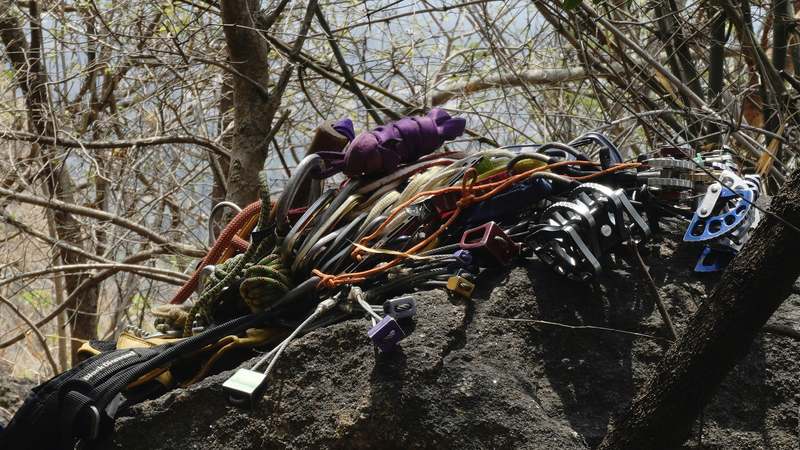
Why Tricams Belong on Every Rack
Hear from experienced trad climbers who rely on tricams across alpine routes, desert cracks, and multi-pitch crags.
Read All StoriesBased on verified customer reviews
“I’ve used my Black Diamond tricams on everything from Indian Creek splitters to Patagonian flakes — they just work when nothing else fits.”
Jamie R.
VerifiedTrad Climber & Route Developer · Rock & Ice Contributor
“After switching to tricams for shallow, flared placements, my rack got lighter and my confidence went up — no more guessing with cams.”
Devon T.
VerifiedAlpine Guide · Mountain Expeditions Co.
About Tricam Trail
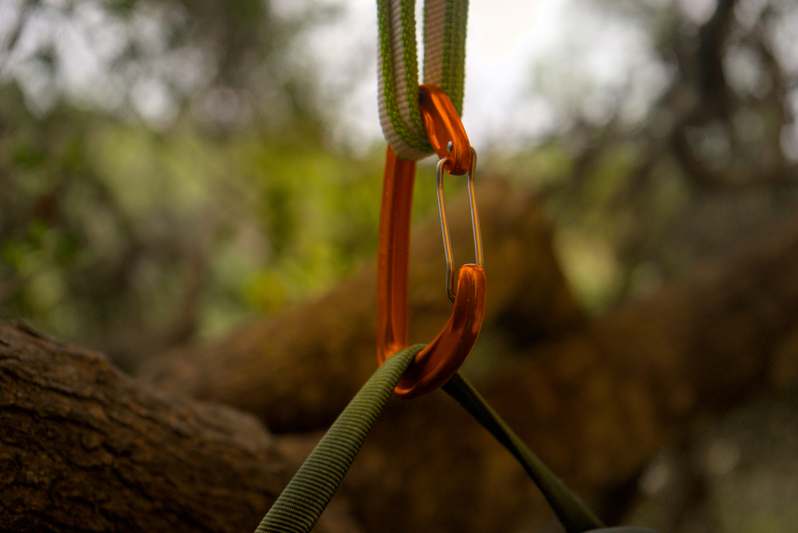
For Climbers Who Understand That Gear Is Personal
We test, film, and write about tricams—so you don’t have to guess how yours will perform.
Tricam Trail is a climbing blog focused exclusively on tricam technology, usage, and evolution. No fluff. No sponsor-driven content. Just real experience, field-tested insights, and honest takes on placements, cleaning, durability, and why some models outperform others in critical situations.
- In-depth tricam placement videos (crack type + rock quality matched)
- Side-by-side comparisons: Black Diamond vs. DMM vs. homemade variants
- Rack-building guides for different disciplines (desert, alpine, sport-to-trad transitions)
Stay Updated on Tricam Tech
Get new placement tips, gear recalls, and seasonal rack recommendations — delivered monthly.
37+
Tricam Models Tested
From vintage Chouinard originals to modern lightweight alloys — we document performance across rock types and placements.
92%
Real-World Success Rate
Based on 12 months of field data from diverse climbs — including placements where other gear failed.
5×
Average Rack Weight Saved
Versus equivalent cam/nut combos — without sacrificing reliability or range.